

At the crossroads between ancient practices and the latest scientific findings emerges modern mindfulness
Mindfulness has its roots in ancient contemplative traditions - particularly early Buddhist practices - where it was cultivated as a way of understanding the mind, reducing suffering, and living with greater clarity and compassion. For centuries, these practices were shared for generations as practical tools for understanding the mind and navigating stress, difficulty, and everyday life with greater ease.
In the late 20th century, mindfulness began to take on a modern form as researchers and clinicians explored how these time-tested practices could support health and well-being in contemporary settings. In 1979, Jon Kabat-Zinn introduced Mindfulness-Based Stress Reduction (MBSR), helping translate mindfulness into a simple, accessible, and science-informed approach that could be practiced by people from all walks of life.
Today, modern mindfulness is supported by decades of research across neuroscience, psychology, and medicine. It is widely used to help people feel more grounded, focused, and resilient, not as something to believe in or get “right,” but as a gentle, learnable skill that helps us relate to our lives with more presence and care.

The lotus is a symbol of resilience and possibility. Growing up through muddy waters to bloom into something beautiful, it reminds us that clarity, strength, and wisdom can emerge even from life’s most challenging conditions - without needing to escape them.
The Science of Mindfulness
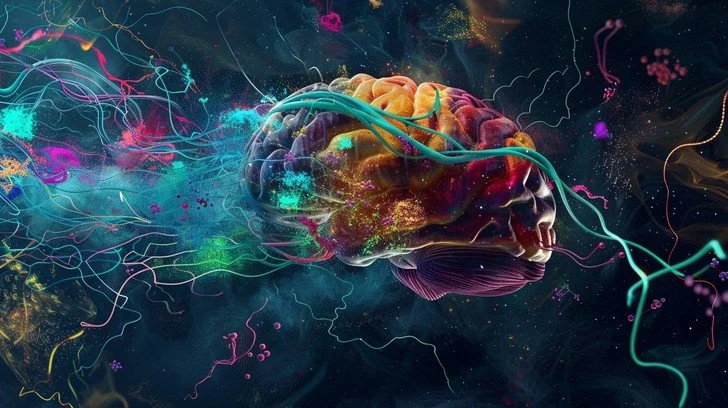
Over the past several decades, mindfulness has been studied extensively across neuroscience, psychology, and medicine. Research consistently shows that mindfulness practices can support both mental and physical well-being by strengthening the brain’s capacity for awareness, regulation, and resilience.
Studies have found that regular mindfulness practice can help reduce stress and emotional reactivity, improve focus and working memory, and support healthier responses to challenge and change. Neuroscience research also suggests that mindfulness is associated with measurable changes in brain regions involved in attention, emotional regulation, learning, and self-awareness.

Beyond the brain, mindfulness has been shown to positively influence the nervous system by helping shift the body out of chronic stress and into states that support rest, recovery, and clarity. In practical terms, this means mindfulness doesn’t just help people feel calmer - it helps them respond more skillfully, think more clearly, and relate to themselves and others with greater balance.
Importantly, mindfulness is not about eliminating stress or achieving constant calm. The science shows it works by building capacity: the ability to notice what’s happening, pause, and choose how to respond - especially when life is demanding.